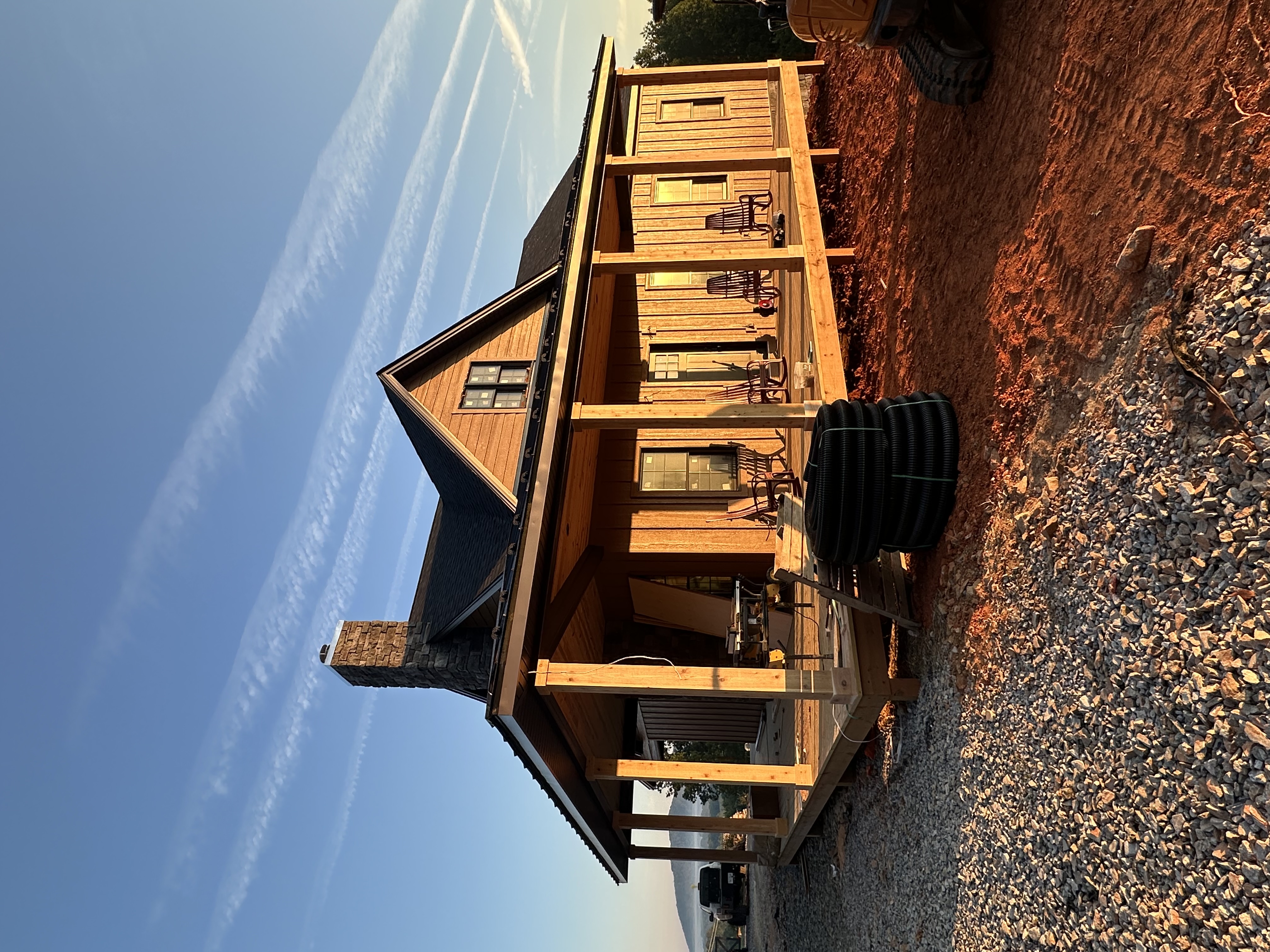
Historical Charm Meets Modern Design: Tips for Restoring Vintage Homes Dec 20, 2025
When embarking on a restoration project, the first step is thorough research. Understanding the architectural style and historical significance of your home provides a solid foundation for any renovation plans. This includes learning about the previous occupants, the era's unique architectural features, and the materials originally used in construction. This research phase helps in making informed decisions about what should be preserved and which elements can be modernized.
Next, pay attention to maintaining the structural integrity of the home. Older homes often come with hidden issues such as outdated wiring, plumbing problems, or unstable foundations. Conducting a detailed inspection with the help of a professional is crucial. These assessments help identify areas that require immediate attention, ensuring that restoration efforts do not compromise the home's safety and stability.
Incorporating modern design elements into a vintage home requires careful consideration to strike the right balance. Start with subtle upgrades that enhance both functionality and aesthetics. Installing energy-efficient windows and improved insulation can modernize your home’s efficiency without detracting from its historical character. Choose fixtures that mimic the style of the era yet provide modern convenience.
The heart of many homes is the kitchen, and achieving a seamless integration of old and new can significantly enhance this space. Consider custom cabinetry that reflects the home's original design, coupled with contemporary appliances that can be cleverly concealed using panels matching your vintage theme. This approach preserves the room's historical charm while providing all the comforts of a modern kitchen.
In the context of décor, focus on refreshing rather than replacing. Original floors, doors, and woodwork should be preserved and restored wherever possible. Refinished hardwood floors add warmth and authenticity to a vintage home. For color schemes, select hues that were popular during the home's original era, but feel free to add touches of vibrant, modern colors through accessories and fabrics.
Outdoor spaces should not be overlooked. Restore period-specific garden layouts using plants that are native to the time and region of your home. Updating pathways with era-appropriate materials and styles can enhance the historical appearance of your property while providing modern functionality.
Finally, remember that restoring a vintage home is a highly personal journey that respects the past while welcoming the future. Each change you make should reflect your lifestyle and aesthetic preferences without overshadowing the home's historical essence. At G.S. Home Solutions, we believe that the most successful restoration projects are those that celebrate this unique blend.
By embracing both historical preservation and modern design, you can create a living space that is not only beautiful and functional but tells a story of time, taste, and transformation. Restoring a vintage home is more than a renovation project; it is a tribute to architecture and a legacy for future generations. G.S. Home Solutions is here to guide you in crafting a home that embodies the timeless elegance only a vintage home can offer.
/filters:no_upscale()/filters:format(webp)/media/3b37d8ea-b418-465d-9a26-79280d652a59.jpeg)
/filters:no_upscale()/filters:format(webp)/media/16c723b7-3c89-4fc5-8695-88970f9a9959.jpeg)